




The environmental management system standard ISO 14001 has been undergoing review, with ISO 14001:2015 set to be replaced in the new year by ISO 14001:2026.
What’s happened and why?
ISO Standards undergo regular reviews to make sure they are fit for purpose. For ISO 14001, we last saw this in 2015 when significant changes were made. The standard was brought in line with Annex XL, aligning its format and structure with other management system standards, such as ISO 9001 for quality and ISO 45001 for health and safety, meaning it was therefore easier to integrate them.
The changes in 2015 also widened the scope of the standard, so organisations had to consider how they manage their impact beyond their own gates (e.g. by the inclusion of life cycle within aspects). The changes for 2026 appear to be building on that even further, to align an organisation’s environmental performance with tackling global environmental challenges.
What is going to change in the Standard?
Until the final draft standard is published, nothing is guaranteed, but here are the highlights of what’s expected:
- A shift in terminology towards using ‘result’ for the outcome of a process or objective.
- A need to consider life cycle perspective when setting the scope of the management system.
- Increasing the requirements of top management to have involvement, responsibility and accountability.
- A new clause related to ‘Planning and managing of changes’ is expected to align with Clause 6.3 of ISO 9001:2015. Planning of change was previously covered in ISO 14001 in Clause 8, where it currently says “the organisation shall control planned changes and review the consequences of unintended changes”.
- The requirement to identify environmental aspects related to emergency situations is to be separated from abnormal operations.
- ‘Outsourced processes’ will be referred to as ‘externally provided processes, products or services’. Organisations will be expected to control or influence those that are relevant to their environmental management system.
- Emergency situations to be included when considering risks and opportunities.
- The management review clause is restructured and split into three: inputs, processes and results.
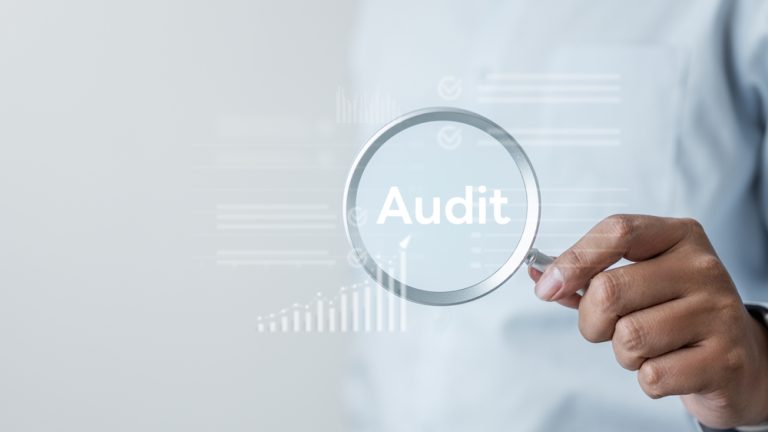
- Internal audits will need to have a defined objective.
What is the timeline?
The final draft of the new ISO 14001 is expected at the end of 2025, with ISO 14001:2026 being published at the start of 2026.
What do you need to do now?
The main thing to do now is wait until we know for certain what is in the new ISO 14001:2026 Standard, when the final draft standard is published.
We expect there will be a period of three years given to transition to the new Standard, so no need to panic! This is the same timeframe used previously, and also fits in with recertification being required every 3 years. We will keep providing updates and ways we can support you to make the changes needed for ISO 14001:2026.